
Manipur is not a place that reveals itself all at once. It unfolds slowly, through quiet mornings, familiar
faces, and landscapes that seem to hold memory within them. Nestled in the northeastern edge of
India, this land of hills and valleys carries a gentleness that contrasts deeply with the weight of its
history. To know Manipur is not just to see it, but to listen—to its people, its silences, and its enduring
sense of belonging.
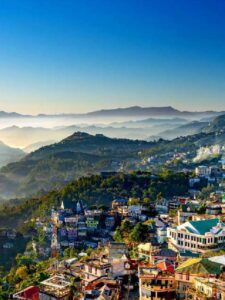
The Imphal Valley forms the heart of Manipur, where everyday life flows alongside history. Children
cycle past old structures, vendors set up stalls near roads that once witnessed war, and elders speak
of the past as if it never truly left. Places like Kangla Fort do not stand merely as monuments; they feel
alive with stories—of kings, resistance, loss, and pride. The nearby Imphal War Cemetery is quiet and
restrained, a reminder that even distant global conflicts left deep scars on this small, beautiful land.
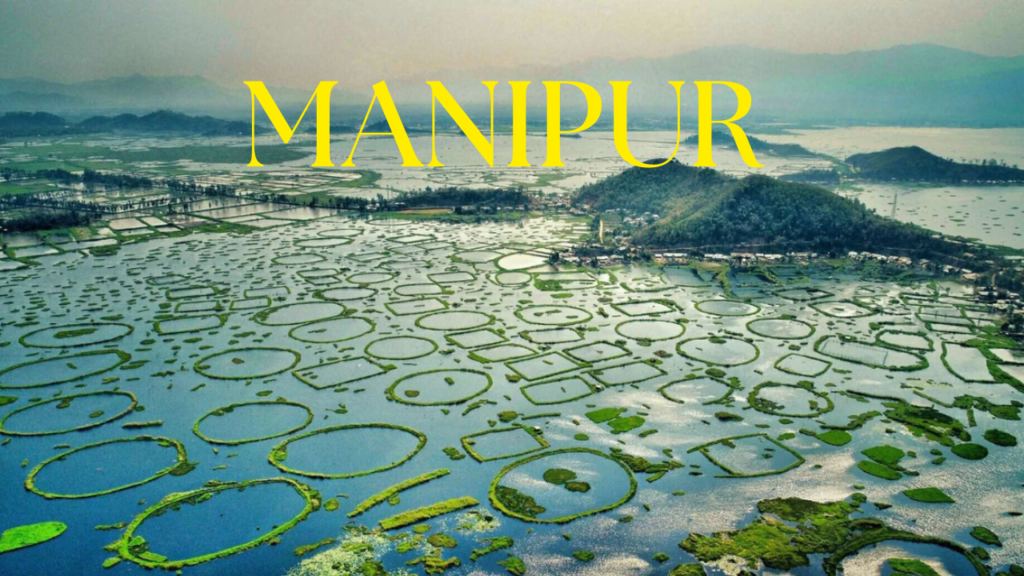
Nature in Manipur does not overwhelm; it comforts. Loktak Lake feels less like a tourist attraction and
more like a shared lifeline. The floating phumdis move gently, shaped by seasons and survival.
Fishermen know the lake like family, and the endangered Sangai deer walks delicately upon the floating
land, a symbol of fragility and grace. Life here moves in rhythm with water, weather, and patience.
Culture in Manipur is woven into daily living rather than displayed. Manipuri dance is not just an art
form—it is devotion in motion, passed down quietly through generations. During festivals like Lai
Haraoba, communities come together not for spectacle but for remembrance, prayer, and continuity.
These celebrations feel intimate, grounded, and deeply human.

One of the most striking spaces in Manipur is Ima Keithel, the all-women market in Imphal. Here,
women sit on woven mats, selling vegetables, fish, cloth, and stories. This is not empowerment spoken
in slogans—it is empowerment practiced daily, shaped by resilience and necessity. The market hums
with conversation, laughter, and an unspoken strength that defines Manipuri society.
Food in Manipur mirrors its people—simple, honest, and rooted. Meals are built around local produce,
fermented flavours, and minimal excess. Dishes like Eromba and Chamthong are not designed to
impress but to nourish. Eating here feels personal, almost like being welcomed into someone’s home.
Manipur has known unrest, uncertainty, and pain, yet it continues to hold on—to community, to
dignity, and to hope. The warmth of its people, their quiet hospitality, and their deep attachment to
land and tradition leave a lasting impression. Conversations are gentle, smiles are unforced, and even
sorrow carries grace.
Manipur may not shout its beauty, but it stays with you. It is a place that asks for sensitivity, patience,
and respect. In return, it offers something rare—a sense of humanity that feels real, fragile, and deeply
moving